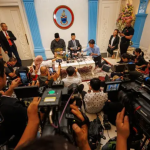
SABAH Electricity’s recent admission that the state is still grappling with power shortages and reliability gaps deserves attention not because it is new, but because of how plainly it was stated. When its chairwoman Saadiah Aziz said that the utility would not “sugar-coat” the situation, she was effectively acknowledging what Sabahans have lived with for years: electricity in the state remains fragile, inconsistent and deeply consequential to daily life.
By conceding that households, hospitals and businesses continue to be affected, Sabah Electricity signalled a rare moment of institutional candour. The admission implied an understanding that public patience has limits, and that expectations for a stable power supply are neither unreasonable nor optional. In doing so, the utility appeared to recognise that electricity is not merely another public service, but a baseline requirement for dignity, safety and economic participation.
The commitment to act “with urgency and purpose” suggested an attempt to reposition Sabah Electricity from a defensive posture to one of reform. By outlining efforts across generation, transmission, distribution and retail operations, the leadership implied that the problem is systemic rather than isolated. This matters, because decades of stop-gap measures and delayed upgrades have left Sabah’s power ecosystem vulnerable to disruption and ill-equipped for growth.
The emphasis on long-standing weaknesses also hinted at a deeper truth: Sabah’s electricity challenges are not sudden failures, but the cumulative result of underinvestment, fragmented planning and slow execution. Acknowledging this reality is necessary, but it also raises a harder question—whether the current pace of reform is sufficient to match the urgency of the problem.
Saadiah’s remarks about Sabah entering a new phase of modernisation suggested optimism, particularly with initiatives like the Battery Energy Storage System. Such projects indicate movement toward grid stability and future-ready infrastructure. Yet optimism alone will not keep the lights on. For many Sabahans, especially in rural areas, promises of momentum have been heard before, often without lasting improvement.
The framing of electricity as a foundation for opportunity was perhaps the most important point made. By linking power supply to classrooms, clinics and local businesses, Sabah Electricity implicitly acknowledged that outages are not technical inconveniences but social disruptions. When electricity fails, learning stalls, healthcare is compromised, and livelihoods suffer.
Confidence that current reforms will lead to long-term resilience is welcome, but it must be matched with transparency, measurable outcomes and accountability. Sabah does not need reassurances that the problem is understood; it needs visible, sustained progress that restores public trust.
In choosing not to sugar-coat the situation, Sabah Electricity has taken a necessary first step. The harder task now is to ensure that honesty is followed by delivery. For a state whose development has long been constrained by unreliable power, the true test will not be in speeches or launches, but in whether Sabahans can finally depend on something as basic and as vital as electricity.
-BTSMedia.my